
Kitchens saw dramatic changes in the 1940s, reflecting the period’s evolving technological and lifestyle trends. Compared to the roomy, contemporary designs we see today, kitchens during this era were usually smaller and more functional.

Kitchens were frequently designed as closed-off areas that were isolated from the rest of the house. This resulted from the widespread perception that cooking was a personal, dirty activity best kept hidden from visitors. But as the decade came to a conclusion, open floor designs became more and more common, which resulted in more integrated cooking areas.
In kitchens of the 1940s, cabinetry and storage options were usually straightforward and practical, commonly constructed of metal or wood. There was no shortage of built-in cupboards, which offered plenty of room for storing cookware, dishes, and pantry goods. Traditionally, countertops were composed of sturdy materials that were simple to keep clean, such stainless steel or linoleum.
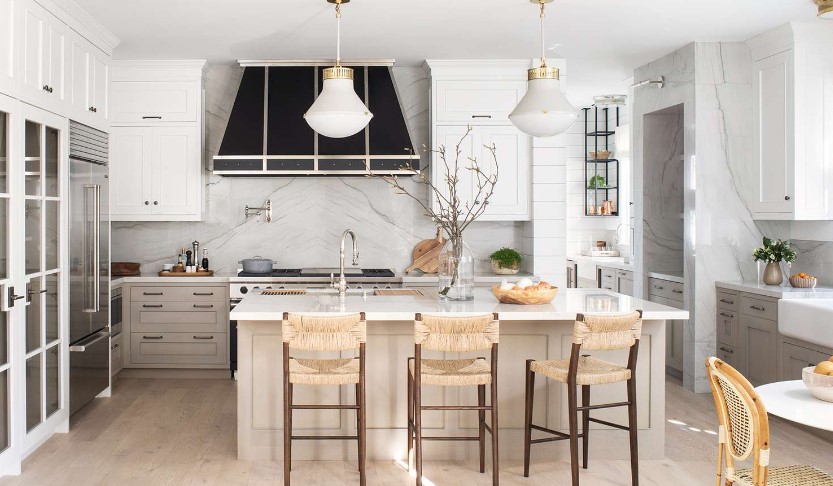
The 1940s kitchen was mostly shaped by appliances. Cooking methods were transformed when electric appliances were introduced, becoming more effective and convenient. Gas or electric burner stove ranges were standard, and electric freezers started to replace iceboxes in popularity. Other equipment that were often utilized were mixers, blenders, and toasters. The sink, stove, and refrigerator constituted the center work triangle that was a common element of kitchens in the 1940s. This arrangement was designed to reduce mobility and boost productivity during cooking. However, because of their small size, kitchens were frequently congested, making it difficult to serve several people at once.
Skitchen Design
Kitchen design in the 1940s included a blend of traditional and modern components. Flooring with patterns, such as tile or patterned linoleum, was frequently utilized to give the room some personality. Windows were ornamented with gingham or floral-patterned curtains and valances, which created a comfortable and inviting atmosphere. In addition, colorful canisters, glass jars, and ornamental platesall of which are antique kitchen accessorieswere in style.
All things considered, 1940s kitchens were sensible, useful rooms created to suit the demands of the day. Even though they might not seem large by today’s standards, these kitchens had a big influence on how we cook and interact in our contemporary kitchens.